Why a Pizza Place in Cheyenne Is Perfect for Casual Dining
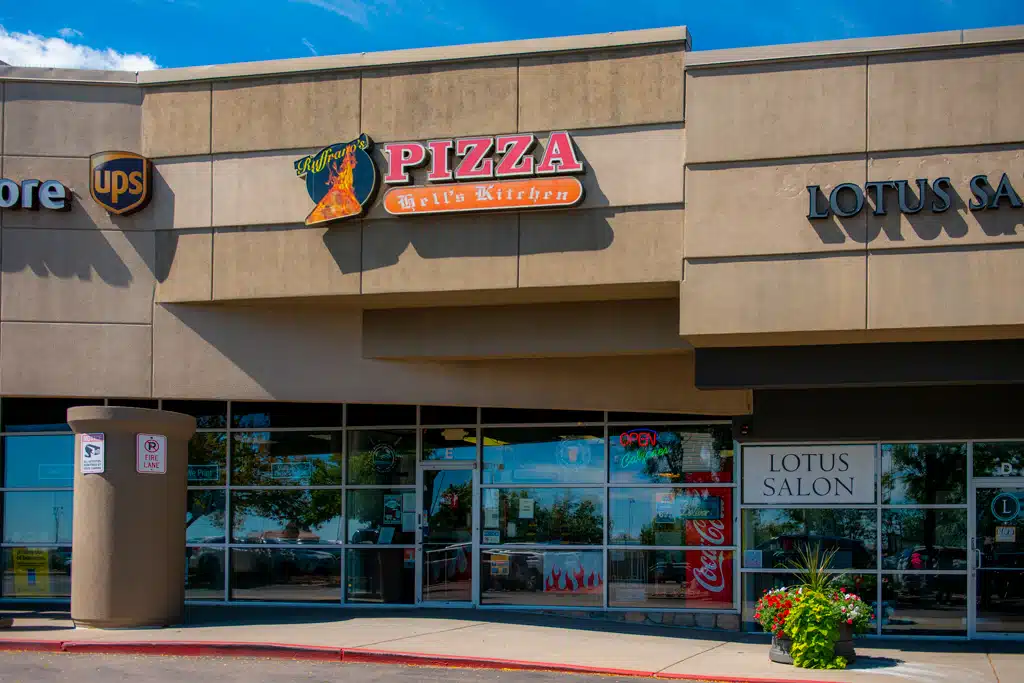
Casual dining works best when it feels easy before you ever sit down. You should be able to walk in without planning your week around the reservation, bring a mixed group without worrying whether everyone will find something they like, and leave feeling that the meal fit the moment. That is exactly why a good pizza place in Cheyenne makes so much sense.
Pizza has always occupied a useful middle ground in the restaurant world. It is more satisfying than a quick drive-through meal, less formal than a steakhouse dinner, and flexible enough to work for family nights, team gatherings, low-key date nights, and last-minute meetups with friends. In Cheyenne, where people tend to appreciate straightforward hospitality and food that delivers real value, that balance matters even more.
A restaurant does not need white tablecloths or a long wine list to create a strong dining experience. Often, what people want most is reliability. They want a place where the food arrives hot, the room feels comfortable, the prices do not punish them for bringing a few extra people, and the atmosphere lets them relax. A well-run pizza restaurant hits those marks better than many concepts that try too hard to impress.
Casual dining starts with comfort, not ceremony
There is a big difference between convenience and comfort. Convenience gets you in the door. Comfort makes you come back.
A pizza restaurant naturally lowers the pressure. Nobody needs to decode the menu. Nobody feels underdressed. Parents do not tense up because their child might speak too loudly. Friends meeting after work can settle in without deciding whether the place is too formal for jeans or too casual for a business conversation. That flexibility is the core appeal.
In a city like Cheyenne, dining habits often revolve around practical realities. People are balancing work, school schedules, sports practices, weather changes, and family routines. On many nights, they are not looking for a destination meal. They are looking for a dependable spot where dinner can happen without friction. A pizza place cheyenne diners trust tends to become part of that rhythm because it removes the small obstacles that make eating out feel like effort.
The physical setup helps too. Pizza restaurants are usually built for conversation. Tables can accommodate groups without the room feeling stiff. Booths give families enough space to spread out. The pace is more forgiving than at a restaurant where courses arrive on a script. If someone shows up ten minutes late, it is not a crisis. If a table wants to stay for another round of drinks while finishing the last slice, the experience still feels natural.
Pizza solves the hardest part of group dining
Anyone who has organized dinner for more than four people knows the real challenge is not choosing a restaurant. It is choosing one that avoids complaints.
Casual dining succeeds when it handles mixed preferences gracefully. Pizza is unusually good at that. A group can split toppings, order a couple of styles, add salads or wings for variety, and satisfy different appetites without turning the meal into a negotiation exercise. One person wants something classic, another wants extra heat, a third prefers a lighter option, and the kids just want pepperoni. Pizza accommodates all of them with less drama than most cuisines.
That matters in Cheyenne, where group dining often has a practical bent. Families gather after school events. Coworkers meet after shifts. Friends stop in after a game or a community event. Those groups need a restaurant that can move from two guests to ten guests without losing its footing. Pizza places are built for that kind of traffic. The format itself is shareable, and shareable food changes the mood of the table. People talk more, reach across for slices, pass plates around, and settle into the meal instead of treating dinner like a transaction.
There is also a budget advantage that should not be overlooked. If a group orders individual entrées at many casual restaurants, the final bill climbs quickly. Pizza spreads cost more efficiently across the table. Even when people add appetizers and drinks, the total often feels more manageable than a full plated meal for every guest. That makes the restaurant more accessible for larger families, student groups, and coworkers who want a night out without spending like it is a special occasion.
The menu does more work than people realize
The best pizza restaurants understand that not everyone walks in craving the same thing. They may lead with pizza, but they support it with side dishes and variations that make the restaurant useful in more situations.
A strong casual menu usually includes a few predictable anchors. Salads give lighter eaters an option that still feels complete. Wings or breadsticks help round out the table for larger groups. Sandwiches, pasta, or baked dishes can serve the guest who is not in the mood for pizza at all. Dessert may be simple, but even something as basic as cinnamon sticks or a warm cookie gives the meal a satisfying finish.
That range matters because casual dining is rarely only about the food item named on the sign. It is about whether the restaurant can handle the actual needs of the table. If parents can order a pizza for the kids, a salad for themselves, and an appetizer everyone shares while waiting, the place becomes far more practical than a niche concept with a narrower menu.
There is a trade-off, of course. The broader the menu gets, the harder it can be for a restaurant to maintain consistency. Some places try to be everything and end up doing too many items at an average level. The strongest pizza restaurants avoid that trap by keeping the menu broad enough to support the occasion, but focused enough that the kitchen can execute it cleanly. That balance separates a dependable local favorite from a place people try once and forget.
Cheyenne rewards places that feel genuine
Every town has its own dining personality. In Cheyenne, there is value in being approachable and competent rather than flashy. People notice whether a restaurant delivers on the basics. They notice if the staff greets regulars by name, if orders come out as expected, if the dining room feels cared for, and if the portions match the price. Those details matter more than trend-chasing.
A pizza place fits that local preference well because it does not need to pretend to be something else. It can be family-friendly without becoming chaotic, affordable without feeling cheap, and casual without seeming careless. When that combination is executed well, it creates loyalty.
The lived experience of casual dining often comes down to repeat visits. A fine dining restaurant might impress you once or twice a year. A neighborhood pizza spot can become part of your weekly routine. That kind of frequency changes how diners evaluate value. They are not only judging the meal. They are judging how the restaurant performs over time, on normal nights, when they are tired, when the kids are restless, when the weather is bad, and when they need dinner to be the easiest part of the day.
In Wyoming, weather plays its own quiet role in dining decisions. On cold evenings, windy nights, or days when going across town feels like a chore, people lean toward places that feel warm, familiar, and uncomplicated. Pizza is practically built for those conditions. It is hearty, fast enough to make sense on a weeknight, and comfortable in a way that lighter or more formal meals are not.
It works for families without excluding everyone else
Family-friendly can be a loaded term in restaurant marketing. Sometimes it means noisy and chaotic. Other times it means the menu has been flattened into blandness. A well-run pizza restaurant avoids both problems.
Families appreciate pizza places for obvious reasons. The food is familiar, wait times are usually reasonable, and kids are less likely to reject the meal after one bite. Portions are easy to share, which helps when younger diners are unpredictable. There is also less stress around etiquette. Parents do not have to feel like every small disruption is being judged by the room.
Yet the same room can still work for couples, friends, and solo diners if the restaurant gets the atmosphere right. Lighting, spacing, music level, and service pacing all matter. The best casual restaurants understand that being relaxed is not the same as being sloppy. A dining room can be lively without becoming exhausting. It can welcome children without turning into a playground. It can feel comfortable for a weeknight family dinner and still be suitable for adults meeting over drinks and a pie.
That overlap is one reason a pizza place in Cheyenne has such broad appeal. It serves multiple social needs without requiring a different identity for each one. Few restaurant formats can do that as naturally.
Value is not only about low prices
People often describe pizza as affordable, which is usually true, but the stronger point is that it offers visible value. Diners can see what they are getting. A large pizza on the table reads as abundance in a way many individual entrées do not. There is immediate satisfaction in that.
Value also comes from flexibility. A couple can keep the meal simple with one pizza and waters, or turn it into a fuller dinner with appetizers, salads, desserts, and drinks. A family can scale the order according to appetite and budget. A group can split costs easily. That control matters, especially when people are watching spending but still want the experience of dining out.
From a practical standpoint, leftovers improve the value proposition even more. Pizza holds up better than many restaurant foods, which means part of tonight’s dinner can become tomorrow’s lunch. That may not sound romantic, but it is exactly the kind of practical benefit that shapes real dining habits. People remember when a meal stretched farther than expected.
Of course, low price alone does not build loyalty. If ingredients feel cheap, service drags, or the room is neglected, customers notice. The restaurant still has to deliver quality where it counts: crisp crust if that is the house style, balanced sauce, toppings that taste fresh, cheese applied with some restraint rather than as camouflage. Value is strongest when the guest feels the restaurant respected both the budget and the appetite.
Service style matters more in casual dining than many owners admit
Formal restaurants can lean on ritual. Casual restaurants have to rely on judgment.
At a pizza place, service should feel attentive without hovering. Guests want quick acknowledgment, clear explanations if something is delayed, and a sense that the staff can read the table. A parent wrangling young kids often appreciates speed more than a long menu conversation. A couple on a relaxed night out may want more time. A group watching a game may care most about drink refills and timing.
Good casual service is subtle, but it is not simple. The staff has to move efficiently while keeping the tone warm. They need to handle customization cleanly because pizza orders often include substitutions, half-and-half requests, and dietary preferences that can become confusing in a hurry. They also need to recover well when things go wrong. A delayed pie, a missed topping, or a side that arrives late can be fixed without much drama if the team responds promptly and directly.
That is another reason the pizza place cheyenne locals return to tends to matter more than the newest pizza place cheyenne opening in town. Reliability in service is cumulative. People remember whether the restaurant took care of them when the dinner rush hit. They remember whether a mistake became an argument or a solution.
Casual dining has to perform on busy nights
Any restaurant can seem pleasant at 4:30 on a quiet Tuesday. The real test comes when the room fills up.
Pizza restaurants are often at their best during those high-demand windows because their operating model is built around volume. The kitchen can produce shareable meals efficiently, orders are relatively easy to pace, and tables can turn without making guests feel rushed. When the systems are strong, the restaurant can absorb a post-game crowd or a Friday family rush better than many made-to-order concepts that bog down under pressure.
That said, not every pizza place handles volume equally well. The strongest ones are disciplined about wait times, communication, and quality control. They know how to quote realistic pickup times. They know when to slow the front door rather than overwhelm the kitchen. They train staff to keep the dining room tidy even when the line is long. Those are not glamorous strengths, but they are exactly what define a good casual dining experience.
For guests, this creates confidence. They know the restaurant is likely to hold together when they need it most, which is usually when everyone else in town has the same idea.
It fits more occasions than people expect
One reason pizza remains durable as a dining choice is that it scales across moods. The same restaurant can serve several purposes in one week.
A family may come in after school activities on Wednesday because nobody wants to cook. A pair of friends might return on Friday to split a specialty pizza and catch up over drinks. A local team might fill a long table after a game on Saturday. Someone else may stop by solo on Sunday for a quiet lunch and leftovers to take home.
That versatility is not accidental. Pizza restaurants succeed because they understand occasion-based dining. They are not trying to make every meal feel monumental. They are trying to make each meal feel easy and satisfying for the specific people at the table.
Here is where a pizza place often outperforms trendier casual concepts. Trend-driven restaurants can be exciting, but excitement has a shorter shelf life than usefulness. If a place is too specialized, too expensive for regular visits, or too dependent on novelty, it becomes an occasional stop. Pizza endures because it integrates into normal life.
The room itself shapes the meal
When people talk about casual dining, they sometimes focus only on menu and price. Atmosphere deserves equal attention.
A good pizza restaurant should sound alive, not loud for the sake of loudness. It should smell like a working kitchen, baked dough, cheese, garlic, tomato, not heavy cleaning chemicals or stale fryer oil. Seating should allow people to settle in without feeling packed shoulder to shoulder. Lighting should be bright enough to read the menu and see your food, but not so harsh that the room feels clinical.
Design does not need to be expensive to be effective. Durable tables, clean floors, a clear view of the oven or prep area, and a sensible traffic flow can do a lot to make the experience feel welcoming. Some of the best casual spaces are not elaborate. They are simply coherent. Everything in the room tells you what kind of meal you are about to have, and the restaurant delivers on that promise.
In Cheyenne, where authenticity often lands better than performance, this matters. Diners respond well to spaces that feel honest and maintained. They do not need spectacle. They need a room where they can hear each other, relax, and enjoy the food without distraction.
Takeout and dine-in support each other
One underappreciated strength of pizza is that it bridges dine-in and takeout better than almost any category. That makes the restaurant more useful, which in turn strengthens its role in the community.
A family might dine in when they want a break from the house, then order takeout the following week when time is tight. Office staff may order several pizzas for lunch, then return later with family members for dinner. Travelers passing through Cheyenne may grab a pie to go one night and decide to sit down the next time they are in town.
Not every food travels well. Pizza generally does, which gives the restaurant operational flexibility and guests more options. That said, a place that does strong takeout still needs to protect the dine-in experience. If pickup traffic overwhelms the host stand or delivery demand slows the kitchen too much, the room can suffer. The best operators know how to balance those channels so one supports the business without damaging the other.
For diners, that balance makes the restaurant feel dependable in different circumstances. It is not only a place to eat. It is a place that can solve dinner in whatever form the day requires.
Why the format keeps winning
The enduring appeal of a pizza place in Cheyenne comes down to something simple. It respects the way people actually live. They want food that feels satisfying, prices that feel fair, service that feels human, and an atmosphere that lets them be themselves. Pizza restaurants, at their best, do not complicate those needs. They meet them directly.
That does not mean every pizza restaurant is automatically excellent. Quality still matters. Execution still matters. Some places lean too hard on convenience and forget hospitality. Others broaden the menu until the kitchen loses focus. But when a pizza restaurant gets the fundamentals right, it becomes one of the most dependable forms of casual dining available.
It works for weeknights when nobody wants to cook. It works for birthdays that do not need a banquet room. It works for parents with hungry kids, coworkers decompressing after a long day, and friends who want a meal that encourages conversation rather than formality. There is a reason people keep coming back to the neighborhood pizza spot long after newer concepts have faded. It earns its place through usefulness, consistency, and comfort.
For a city like Cheyenne, that is not a minor advantage. It is exactly what makes the format feel right. A great pizza place does not ask diners to adapt to the restaurant. It adapts to the reality of the diners, and that is the heart of casual dining.
Ruffrano's Hell's Kitchen Pizza Cheyenne
Address: 1670 E Cheyenne Mountain Blvd, Colorado Springs, CO 80906
Phone number: +17195764355
FAQ About Pizza Place Cheyenne
What's the most popular pizza place?
The "most popular" pizza place depends on whether you measure by location count, total sales, or customer favorite status.
What is the 2 pizza rule?
The two-pizza rule is a management principle made popular by Amazon founder Jeff Bezos. It states that a team or meeting should never be larger than what can be fed with two large pizzas—typically translating to a group of 5 to 10 people (or roughly 6 to 12 people depending on appetites).
Is 2 pizzas enough for 10 people?
No, 2 pizzas are usually not enough for 10 people.